
A team of researchers at Rutgers University–New Brunswick has been selected to receive a $1 million Civic Innovation Challenge (CIVIC) award for a community-university partnership that combats climate change and improves access to essential resources and services.
CIVIC is organized by the National Science Foundation in two stages. First, teams utilized planning grants of up to $50,000 a team over a period of six months. These teams then refine their projects and compete for second-stage grants of up to $1 million a team. These second-stage awards will support ready-to-implement, research-based pilot projects and have been offered to a cohort of awardees in each track.
The Rutgers project, Smart Kids and Cool Seniors, seeks to assist low-resource urban residents as they adapt to increasing heat stress and local air pollution, both outdoors and indoors.
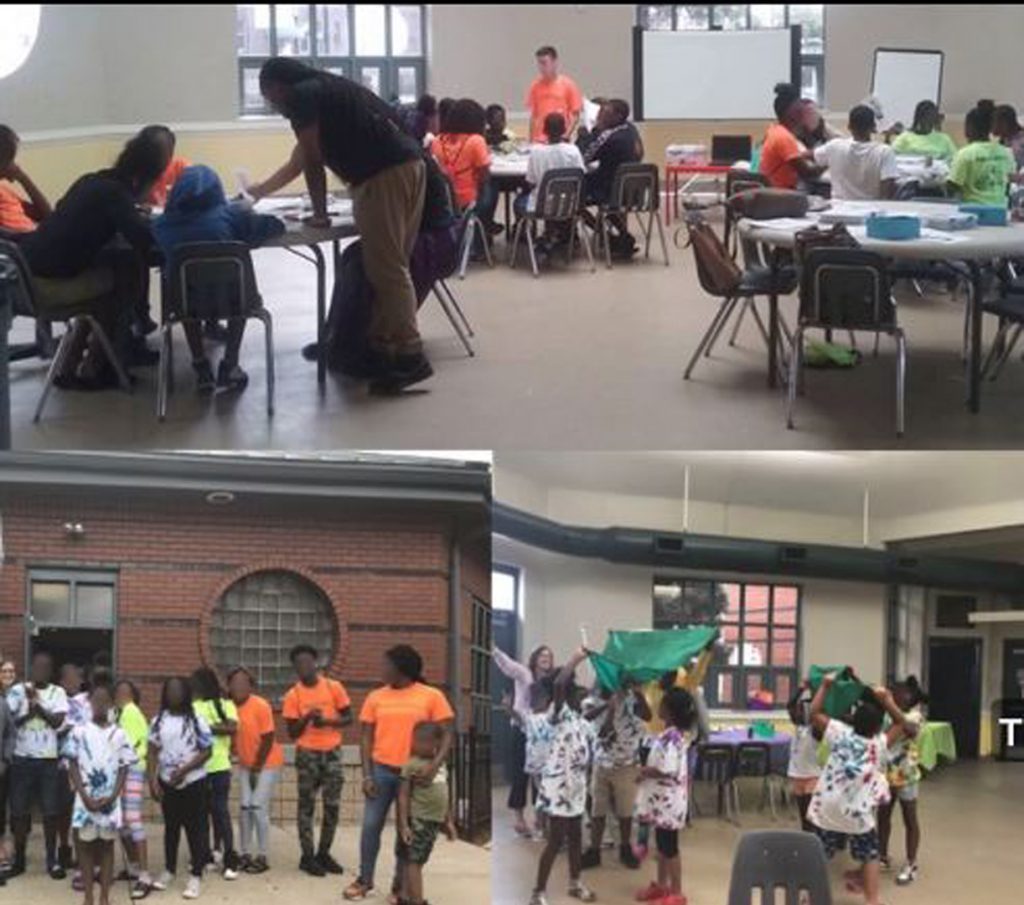
It aims to support society’s efforts to develop effective responses to ongoing climate change, said Clint Andrews, a professor at the Edward J. Bloustein School of Planning and Public Policy and principal investigator of the project, which is an interdisciplinary collaboration between the Bloustein School’s Center for Urban Policy Research (CUPR) and Rutgers’ Schools of Engineering, Environmental and Biological Sciences and Communication and Information.
Members of the project include Jennifer Senick, executive director, CUPR; Jie Gong, associate professor of civil and environmental engineering; Gedi Mainelis, professor of environmental sciences; and Sunyoung Kim, associate professor of library and information science. Rutgers graduate students from several disciplines will assist with the project, and a spring 2024 graduate urban planning studio at the Bloustein School will focus on Elizabeth.
When Groundwork Elizabeth and the Housing Authority of the City of Elizabeth (NJ) approached Rutgers for assistance, the research team knew they could help develop a sustainable, community-driven solution.
Jonathan Phillips, executive director of Groundwork Elizabeth, said the goal of this program is to give people a voice in their environment.
“We are giving our youth the opportunity to bond intergenerationally with our seniors to talk about environmental impacts that are of great concern for everyone in the community,” Phillips said.
“We are working in an environmental justice community in the heart of a densely-populated megalopolis. Air pollution from oil refineries, major highways, port traffic, and an international airport are all major impacts in Elizabeth,” said Andrews.
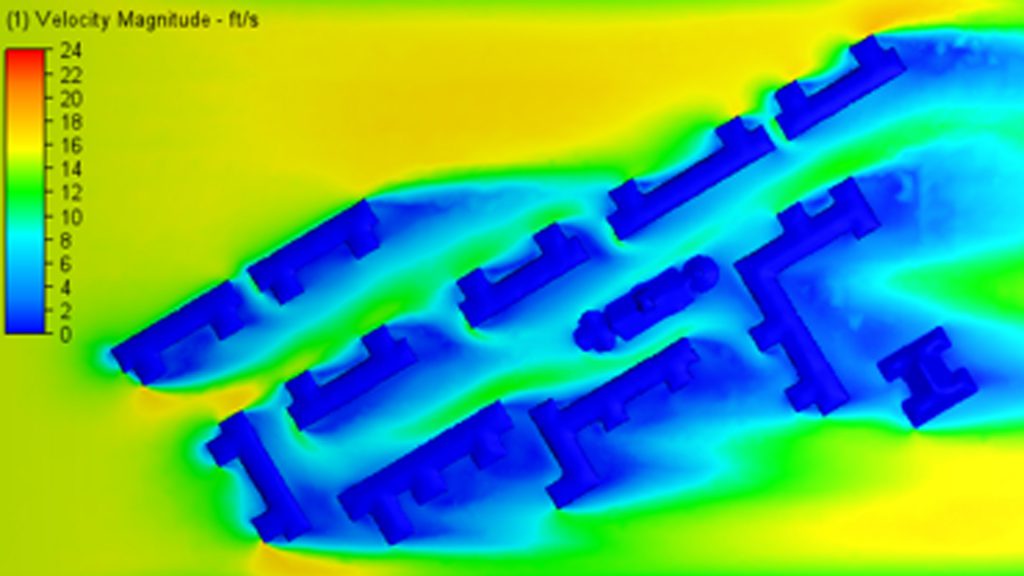
The compounded effects of environmental hazards and poverty threaten the health and well-being of seniors living in public housing, he noted, and young people living in these locations often lack opportunities to learn and develop science, technology, engineering, and math skills.
“This grant will enable air quality within our community to be examined and the impact of transportation, industrialization, and environmental changes will be documented,” said J. Christian Bollwage, the mayor of Elizabeth. “The data will assist in short- and long-term planning events.”
In addition to developing a network of fixed outdoor and indoor air pollution and temperature sensors, the researchers provided youths living in the local community with environmental sensor-equipped backpacks to carry along routes used by seniors to measure personal exposures.
“The combination of these sensor networks will help establish a publicly accessible data hub, designed with input from an array of community stakeholders,” said Andrews.
The researchers will then build a modeling platform known as a dynamic digital twin to represent conditions in the public housing authority’s buildings and surrounding neighborhoods. The model will then be used to help the housing authority manage its facilities better in the future.
CIVIC is supported by the NSF in partnership with the U.S. Department of Homeland Security (DHS) Science and Technology Directorate and the Department of Energy.