Research Centers and Initiatives
The Bloustein School is host to several nationally recognized research centers and collaborative programs, established by the University’s Board of Governors. These specialized centers carry out large-scale projects and are supported by external funding, which maximize the school’s ability to perform in-depth research; extend its activities beyond the classroom through public service; and provide students with the opportunity to develop professional skills and experience.
The school serves as an intellectual focal point at Rutgers University for the examination of societal problems and solutions. Research undertakings are governed by a strong commitment to quality through the use of sound social science theory and methods and to full dissemination of results and peer review of findings. Research is carried out on a wide variety of challenging topics.
Many of these centers offer continuing education and training programs for government officials, nonprofit leaders, and career professionals, enabling the school to broaden its outreach endeavors.
Students at the Bloustein School have the opportunity to conduct hands-on research through appointments as researchers employed by the school’s centers and initiatives in such areas as community development, transportation, health, workforce development, green building and energy policy, and state and municipal government activities.
Featured Research
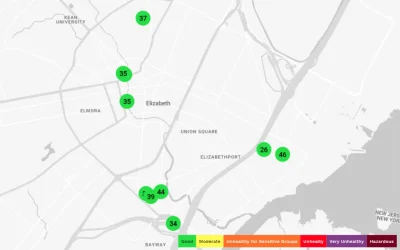
BREATHE Online Portal Launches in Elizabeth After Indoor Air Quality Study
“We discovered that understanding indoor environments is just as critical as monitoring the outdoors. Fortunately, both the city and its residents can take action. Indoors, residents can improve air quality by choosing not to smoke. Outdoors, planting trees expands shade, while the city can enforce landlord-tenant laws to ensure apartments remain safe and livable even during the hottest summer days,” said Clint Andrews

Daily Targum: U. Professor receives grant to study sickle cell disease, emergency room care
“The study is all around implementation and implementation science,” Rushing said. “How do we improve the way these tools that we know are supposed to be beneficial … how do we improve the way they’re being implemented within a system?”

Heldrich Center: New Research on New Jersey’s Child Care Workforce
The Heldrich Center, working with the Rutgers Child Care Research Collaborative, has released a new comprehensive report and three new research briefs examining the experiences, challenges, and training needs of New Jersey’s child care workforce.
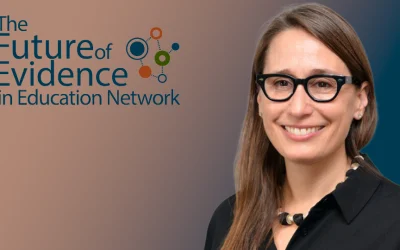
Peck Co-Authors National Guide to Evaluating Causal Evidence in Education
Associate Professor Laura R. Peck, Principal Faculty Fellow at the Heldrich Center for Workforce Development, is a member of the 16-person Future of Evidence in Education Network group and a co-author of a recent report, Evaluating Causal Evidence in Education: A Practical Guide.
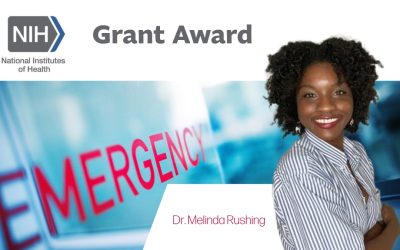
Prof. Rushing Receives NIH Grant to Study Sickle Cell Disease Pain Management in ERs
Bloustein School Assistant Professor Melinda Rushing, Ph.D., LMSW, has received a National Institutes of Health Career Development Award to advance research aimed at improving emergency department care for people living with sickle cell disease.

Heldrich Brief: Guidance for Preparing and Using Archived Qualitative Data in Research
Archived qualitative data can extend the value of research by supporting new questions and generating new insights, but reusing interview data presents challenges that researchers, funders, and data stewards need to consider. Guidance for Preparing and Using Archived...
Research Centers